
Security Technology Alone Isn’t the Answer. Collaboration Is.
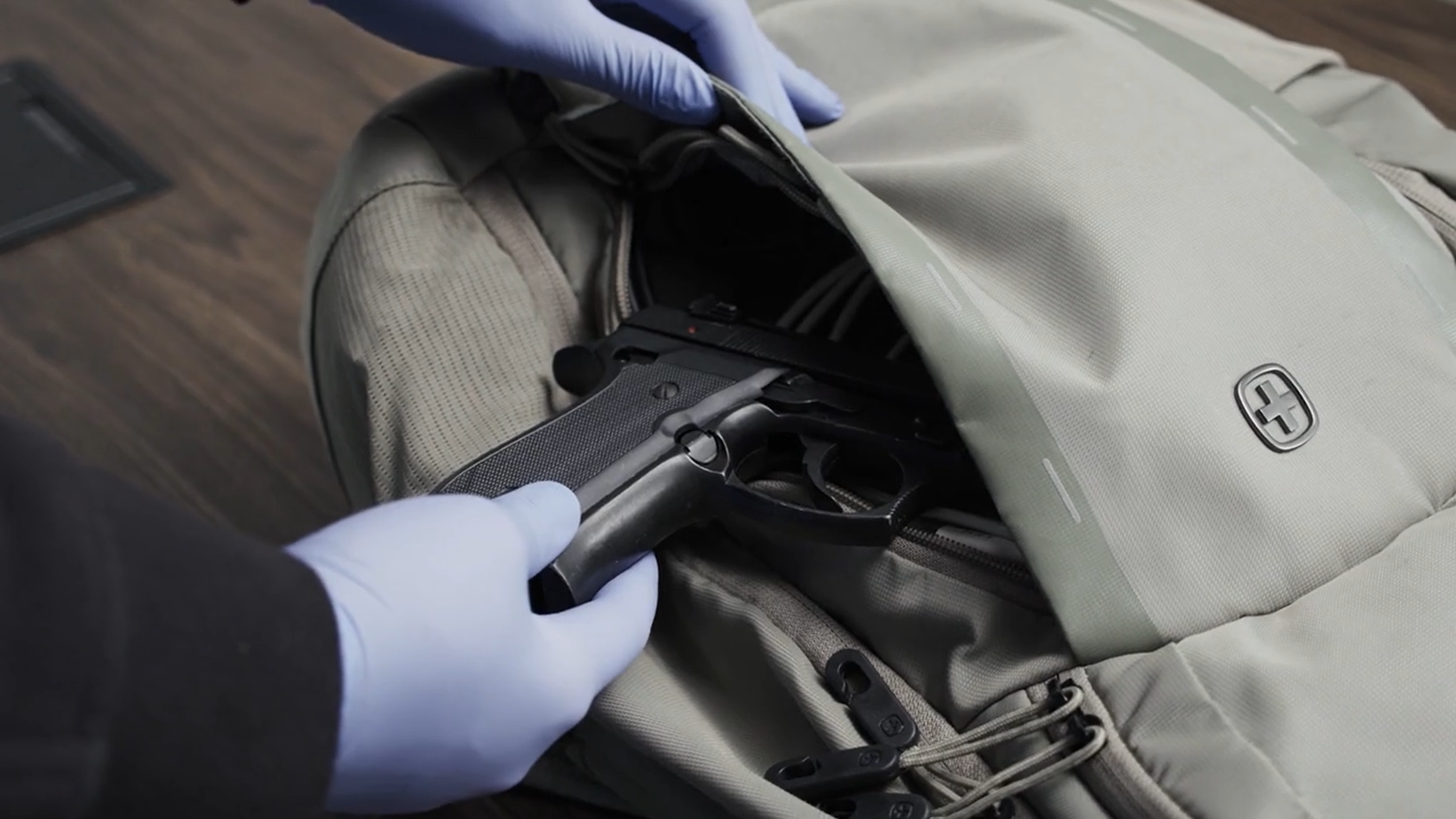
During an emergency, technology alone does not determine the outcome.
Response time, communication, planning, and coordination often matter just as much as the security systems themselves.
For us, one theme continues to surface in conversations with schools, healthcare facilities, municipalities, and businesses:
The most effective security strategies are built around collaboration, not just equipment.
As emergency response technology continues to evolve, the role of the security integrator is evolving too. Organizations are no longer looking for someone to simply install cameras or access control systems. They need partners who can help connect technology, people, procedures, and first responders into a cohesive safety strategy.
Emergency Response Starts Before an Emergency Happens
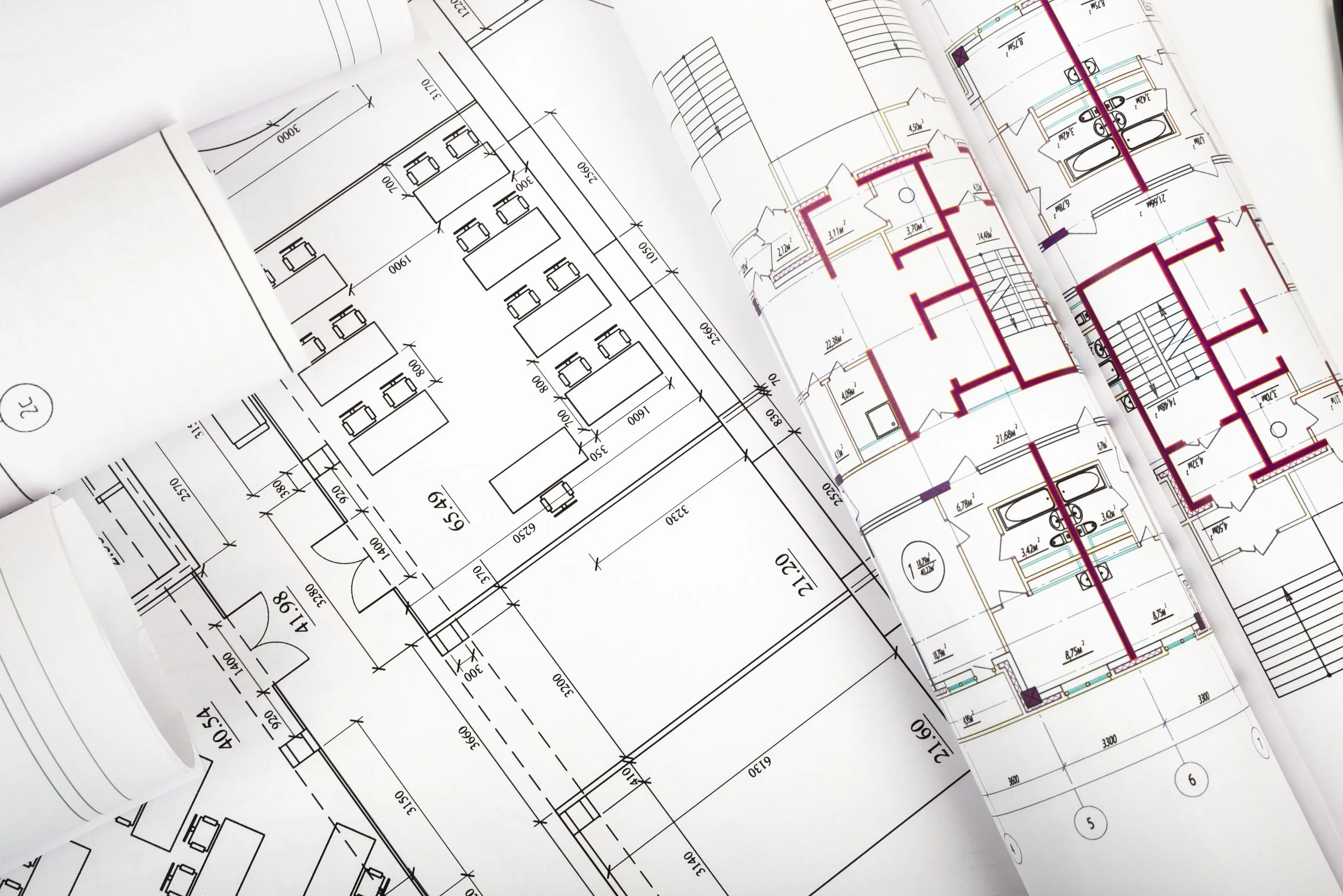
One of the biggest challenges first responders face during an active emergency is unfamiliarity with the building itself.
Even experienced responders can lose valuable time navigating unfamiliar hallways, inconsistent entrance labeling, or outdated floor plans. In a school, hospital, or large municipal facility, those delays can directly impact response effectiveness.
Traditional methods of granting emergency personnel access to camera systems have also created challenges. Usernames and passwords are often forgotten, systems become difficult to navigate under pressure, or access cannot be established quickly enough during a crisis.
That is why proactive collaboration between organizations and local law enforcement is becoming increasingly important.
Annual planning meetings between facilities and first responders can significantly improve emergency preparedness and coordination. These discussions should include:
Clearly labeled building entrances using colors or numbers
Shared floor plans and site maps
Reviews of camera coverage
Identification of priority response areas
Emergency communication procedures
These are relatively simple steps, but they can save critical time during an emergency.
Secure Emergency Video Access
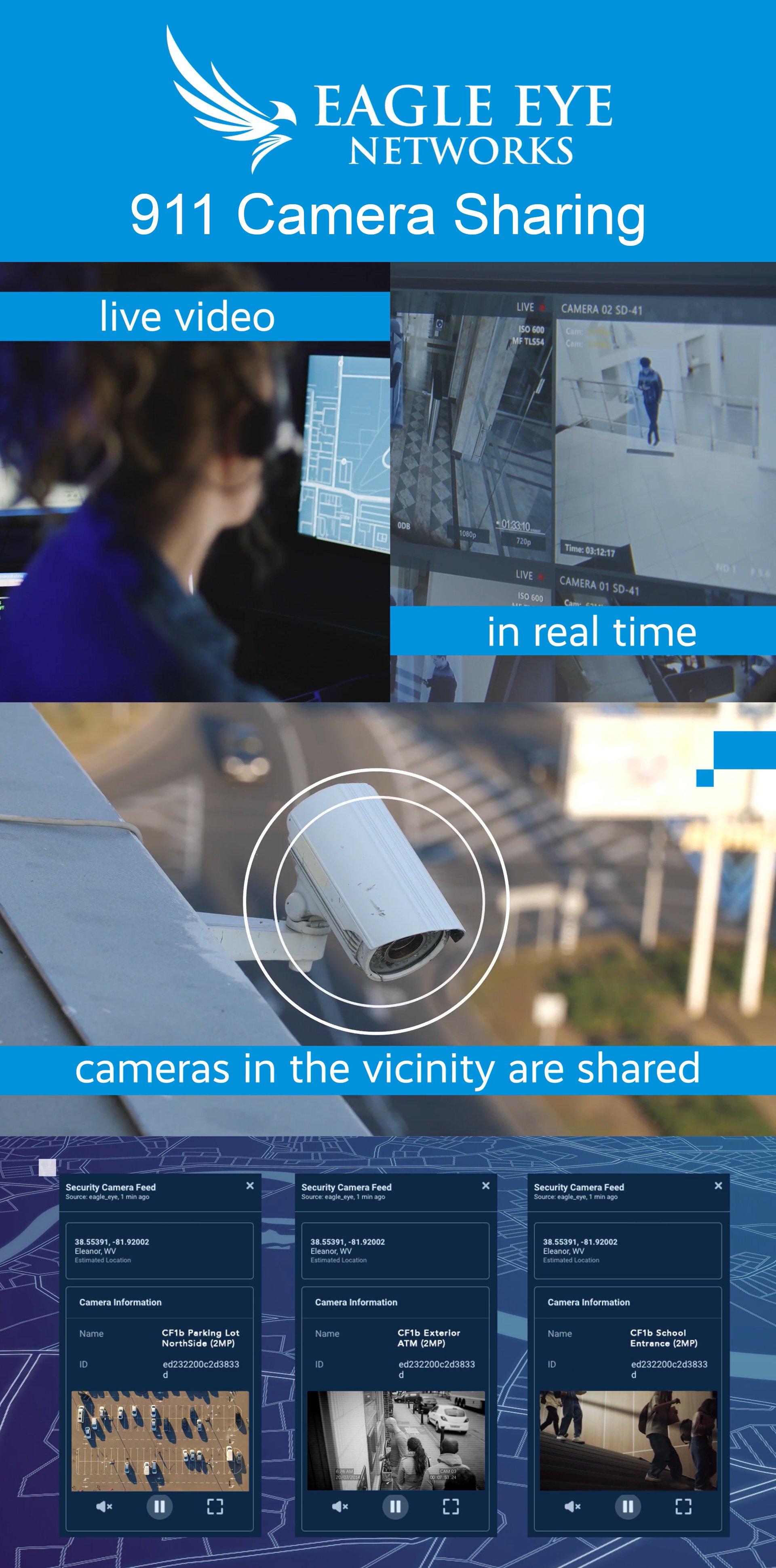
Modern security platforms are also changing the way organizations share video with emergency responders.
Instead of maintaining permanent external access to surveillance systems, many newer solutions now allow temporary, incident-based video sharing with emergency communication centers and responding agencies.
During an active event, authorized responders can immediately view live feeds from areas such as:
Main entrances
Hallways
Lobbies
Gathering spaces
This approach provides two important advantages.
First, responders gain real-time visibility into the situation as it unfolds, helping them make faster and more informed decisions.
Second, organizations reduce the cybersecurity risks associated with maintaining persistent remote access to internal systems.
Security technology today is no longer focused solely on recording incidents after they occur. Increasingly, it is about improving response and decision-making while events are still unfolding.
Communication Can Save Lives
Communication failures can slow emergency response just as much as technology failures.
During high-stress situations, staff need simple and immediate ways to share information with responders, including room locations, threat details, and changing conditions inside the building.
Modern emergency communication platforms now support capabilities such as:
Two-way communication with responders
Live chat and mobile alerts
Direct emergency signaling
Real-time status updates
The objective is straightforward: reduce confusion and accelerate decision-making during rapidly evolving events.
Integrated Systems Create Faster Responses
Many organizations already possess infrastructure that could play a major role during emergencies, but those systems often operate independently.
PA speakers, access control systems, digital displays, classroom monitors, radios, and network clocks are frequently treated as separate technologies instead of components within a unified emergency response strategy.
Integrated mass notification systems can help connect those tools into a coordinated response.
Instead of relying on multiple manual actions during a crisis, integrated systems can automatically:
Lock designated doors
Display alerts on digital monitors
Broadcast emergency audio instructions
Send notifications to radios and mobile devices
Deliver alerts simultaneously across an entire facility
Automation helps reduce the decision-making burden placed on staff during chaotic situations while creating faster and more consistent emergency responses.
Weapons Detection Requires More Than Hardware
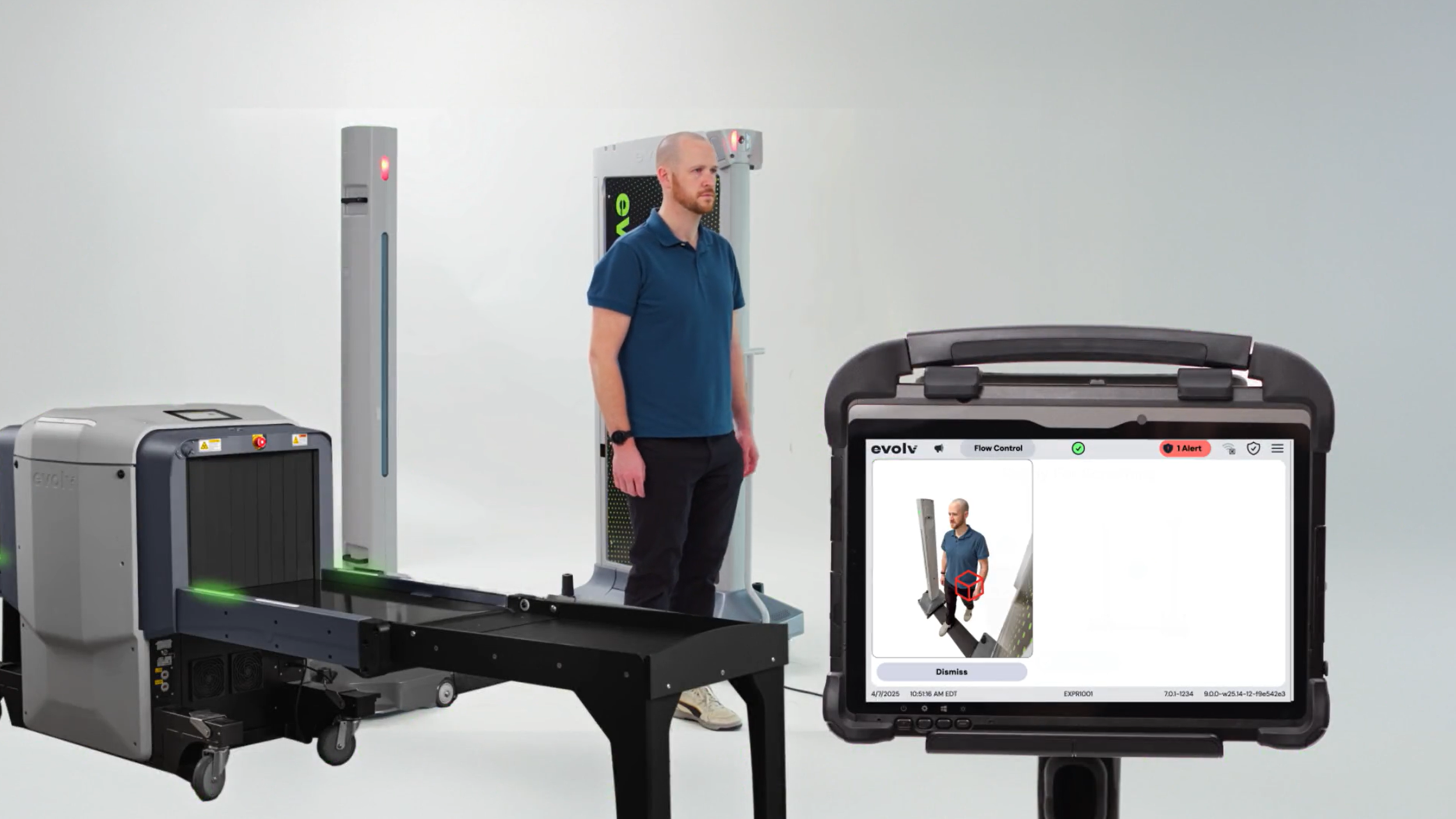
Weapons detection technology continues to evolve rapidly, but implementation matters just as much as the equipment itself.
Modern intelligent screening platforms can provide effective detection capabilities when properly configured and professionally integrated. However, performance is heavily influenced by factors such as:
Sensitivity settings
Environmental conditions
Traffic flow management
Operational procedures
User training
Organizations sometimes approach security procurement as a low-bid purchasing exercise rather than a long-term safety strategy. Unfortunately, that approach can lead to improperly configured systems, inadequate training, or technologies that fail to perform reliably under real-world conditions.
Security should never be treated as a check-the-box requirement.
Effective safety planning requires thorough evaluations, realistic demonstrations, ongoing training, and long-term operational support.
The Role of the Security Integrator Is Changing
The expectations placed on security integrators are changing alongside the technology itself.
Organizations increasingly expect integrators to support planning, training, system optimization, emergency coordination, and long-term operational readiness, not simply equipment installation.
In many facilities, valuable security infrastructure is already in place but only a fraction of its capabilities are being fully utilized.
That is why collaboration between schools, hospitals, municipalities, businesses, law enforcement, and security professionals is becoming more important than ever.
The strongest security outcomes happen when all stakeholders are involved in the conversation before an emergency ever occurs.
Beyond Compliance
Regulations such as Alyssa’s Law are helping drive the adoption of panic systems and emergency communication technologies. But compliance alone should never be the end goal.
The objective should be practical, layered, and sustainable safety strategies that perform effectively during real emergencies.
That includes:
Thorough demonstrations
End-user training
Regular system evaluations
Collaboration with first responders
Ongoing support after installation
At Chimera Integrations, we believe our responsibility continues long after the equipment is installed. Effective security is not a one-time purchase. It is an ongoing partnership built around preparation, communication, and trust.
Security technology continues to advance rapidly, but effective emergency response still depends on preparation, coordination, and collaboration.
Technology is an important part of safety.
But collaboration is what makes that technology effective.